





Managing customers is one of the most important parts of running a successful business. As your business grows, keeping track of customer details, sales conversations, follow-ups, and leads can become increasingly difficult. Relying on spreadsheets, emails, or handwritten notes may work initially, but these methods can create problems as your customer base expands.
This is where a Customer Relationship Management (CRM) system becomes valuable. A CRM helps businesses organize customer information, manage sales activities, improve communication, and build stronger customer relationships.
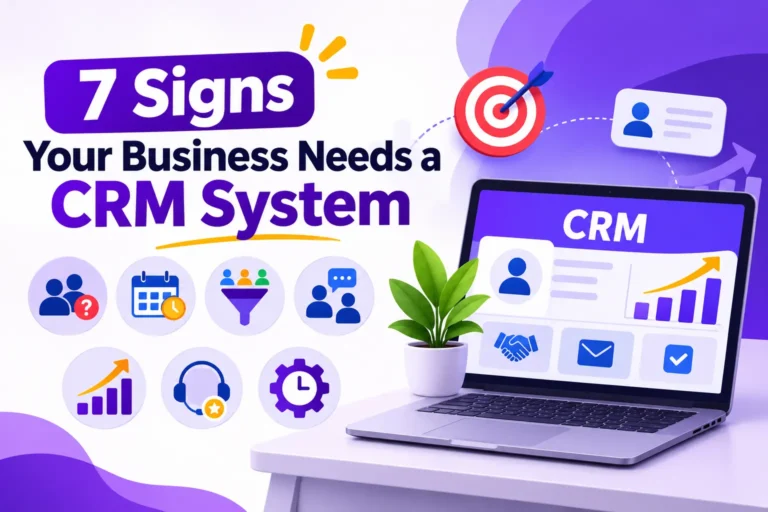
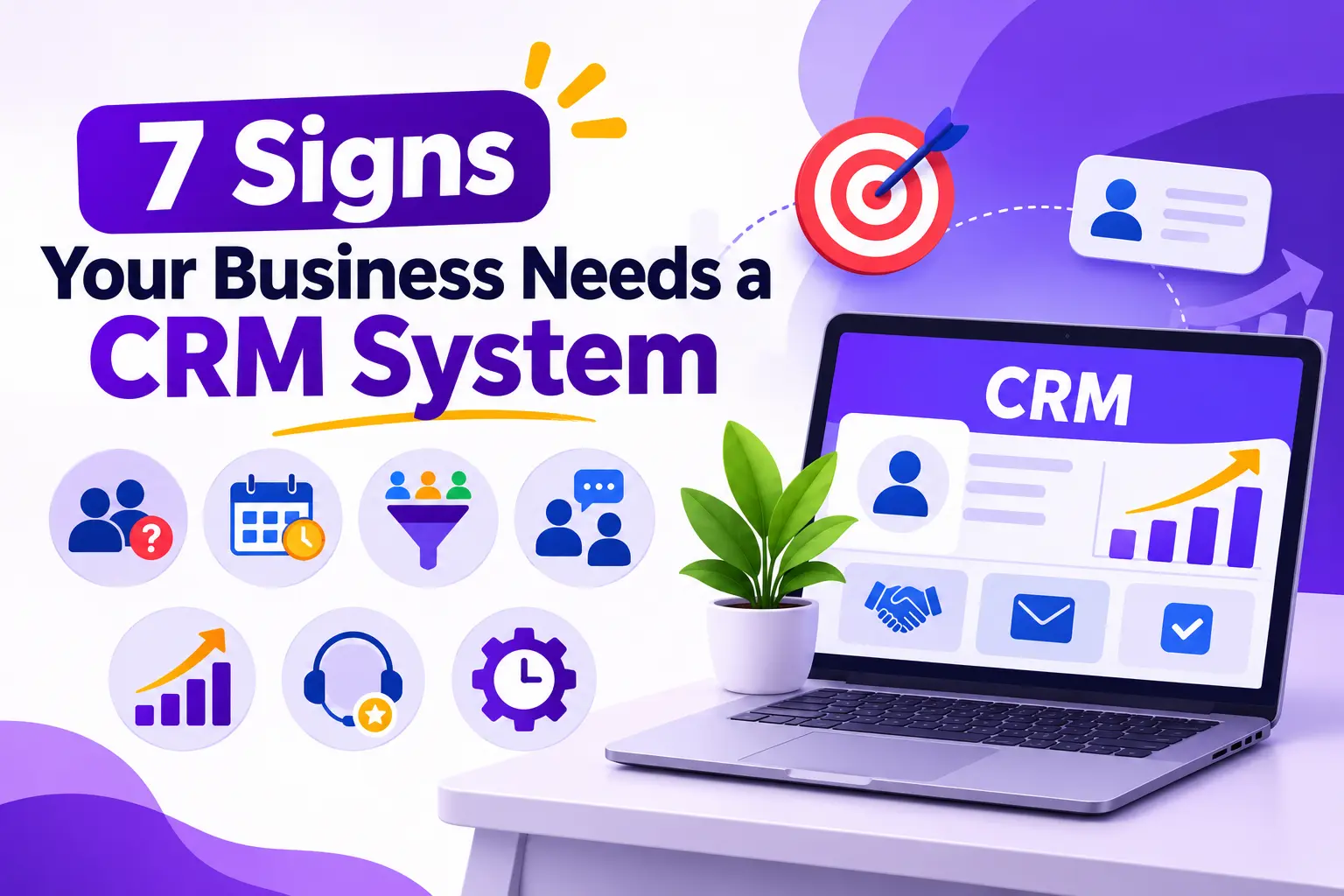
But how do you know when your business actually needs one? Here are seven important signs that indicate it might be time to invest in a CRM system.
1. You Frequently Lose Track of Customer Information
If your customer information is scattered across spreadsheets, emails, notebooks, and different applications, managing relationships can become challenging.
You might struggle to remember previous conversations, contact details, customer preferences, or purchase history.
A CRM system stores customer information in one centralized location, making it easier for employees to access accurate details whenever needed.
Why it matters: Organized customer information helps your team provide better service and avoid unnecessary communication gaps.
2. Your Sales Team Is Missing Important Follow-Ups
Following up with potential customers is essential for converting leads into paying clients. However, when sales representatives manage multiple prospects manually, important follow-ups can easily be forgotten.
Missing a follow-up could mean losing a valuable business opportunity.
CRM software allows teams to schedule reminders, track conversations, and manage follow-up activities. Some platforms also offer automated notifications to help sales representatives stay on schedule.
Why it matters: Consistent follow-ups help maintain customer interest and improve the chances of closing deals.
3. You Are Struggling to Manage Growing Leads
When your business starts receiving more inquiries, manually managing every lead becomes difficult.
You may find it challenging to identify which prospects are interested, which require additional attention, and which are ready to make a purchase.
A CRM system helps organize leads based on their status, interests, and interactions. Sales teams can prioritize promising prospects and track their progress through the sales pipeline.
Why it matters: Better lead management helps your business handle growth without losing potential customers.
4. Your Team Has Poor Communication and Coordination
In many businesses, multiple employees interact with the same customer. Without a centralized system, team members may not know what others have discussed with that customer.
This can lead to repeated questions, inconsistent responses, and confusion.
CRM platforms allow employees to access shared customer records, view interaction history, and coordinate sales activities.
Why it matters: Better internal communication creates a smoother customer experience and improves teamwork.
5. You Cannot Easily Track Sales Performance
Understanding your sales performance is essential for making informed business decisions.
If you cannot quickly identify how many leads your team generates, how many deals are closed, or where prospects drop out of the sales process, improving your sales strategy becomes difficult.
Most CRM systems provide reporting dashboards and analytics that help businesses monitor sales activities, track performance, and identify opportunities for improvement.
Why it matters: Data-driven insights help business owners make smarter decisions and identify areas that need attention.
6. Your Customer Service Is Becoming Less Efficient
Customers expect quick responses and personalized support. If your team cannot access previous conversations or customer details, resolving issues may take longer.
A CRM system helps maintain a record of customer interactions, service requests, and communication history. This allows support teams to understand customer problems without asking them to repeat the same information.
Some CRM platforms also include ticket management and customer support automation features.
Why it matters: Efficient customer support improves satisfaction and helps build long-term customer relationships.
7. Your Business Is Spending Too Much Time on Manual Tasks
Repetitive activities such as entering customer details, assigning leads, sending follow-up emails, and updating sales records can consume valuable working hours.
When employees spend too much time on administrative work, they have less time to focus on selling and building customer relationships.
CRM software can automate several routine activities, including lead assignments, reminders, email notifications, and workflow updates.
Why it matters: Automation reduces repetitive work and allows your team to focus on more valuable business activities.
How to Choose the Right CRM System for Your Business
Once you recognize these signs, the next step is finding a CRM solution that matches your requirements.
Consider the following factors before choosing a platform:
- Business requirements: Identify whether you need sales management, customer support, marketing automation, or all three.
- Ease of use: Choose software that your employees can learn and use comfortably.
- Integration options: Check whether it connects with your existing business applications.
- Pricing: Compare subscription costs, free plans, and available features.
- Scalability: Select a CRM that can support your business as your customer base grows.
Popular CRM platforms include HubSpot CRM, Salesforce, Zoho CRM, and Pipedrive. Compare their features and pricing before making a decision.
Final Thoughts
A CRM system is no longer just a tool for large organizations. Small businesses, startups, and growing companies can also benefit from better customer management.
If you frequently lose customer information, miss follow-ups, struggle with lead management, or spend too much time on manual tasks, these are clear signs that your business may need a CRM system.
Investing in the right CRM solution can help streamline operations, improve customer relationships, and create a more organized sales process.
Explore Saasnexly for more SaaS recommendations, software reviews, and business technology insights to find tools that help your business grow.